
Views: 8
Ukwa Tree, Ukwa Fruit, Ukwa Seed, and the Delicious Ukwa Meal( Breadfruit)

Ukwa, also known as African breadfruit, is one of the most loved traditional delicacies in Nigeria, especially among the Igbo people. Many people enjoy a steaming bowl of ukwa meal or a crunchy plate of fried ukwa seeds, yet very few have seen the ukwa tree, know how the ukwa fruit looks, or understand the traditional process of extracting the edible ukwa seeds.
In this article, we’ll take you back to the roots, exploring the ukwa tree, the enormous ukwa fruit, the delicate processing of ukwa seeds, and the different ways this treasured meal is prepared in Obosi Kingdom and across Igbo land.
The Ukwa Tree and Fruit in Obosi Kingdom
Back in the 1970s, when I was growing up in Obosi Kingdom, ukwa trees were common and proudly stood across the Igbo Land. Today, however, ukwa trees are rare, making the fruit even more valuable.
The ukwa fruit is massive, with some weighing up to 80–100 kilograms, and each fruit contains tens of thousands of seeds. A unique cultural belief is that the ukwa fruit cannot be plucked from the tree—it must fall on its own when mature.
But this fruit is not without danger. It gives no sign before falling, and because of its enormous weight, it can cause severe injury or even death if it lands on someone. That is why our elders warned children never to play under the ukwa tree.
This wisdom even inspired a popular warning song:
Ewu na akpa na ukwa,
Ị makwa na ukwa na etigbu ewu,
Ewu na akpa na ukwa.
Cultural Rules Around Ukwa Fruit
In Igbo tradition, when a ukwa fruit falls, it belongs to the owner of the tree. No outsider is allowed to claim it. Instead, the fruit must be taken to the owner or reported. This differs from udara (African star apple), which anyone can pick up once it ripens and falls to the ground.
How Ukwa Seeds Are Processed
Processing ukwa fruit into edible seeds is a long but rewarding tradition. Here’s how it was done in Igbo Land:
Rotting the Fruit – The fallen ukwa fruit is gathered and left in a damp place to decay.
Washing Out the Seeds – Once softened, the pulp is broken apart in a basket (Nkata) or Akpala. Water is used to wash away the rotten flesh until only the dark brown ukwa seeds remain. In the old days, people often took the fruit to the Idemili River, where they used their feet to press and wash the seeds clean.
Parboiling the Seeds – The dark brown seeds are parboiled for about 5 minutes, then drained.
Removing the Shaft – The seeds are spread on a solid surface, then rolled with a bottle called a Kalama to crack open the shells. This reveals the whitish ukwa seeds we see sold in markets today.
This traditional method ensures that only the clean, edible ukwa seeds remain, ready to be cooked or fried.
How ukwa is Prepared
Ukwa seeds are a versatile food that can be enjoyed in different ways:
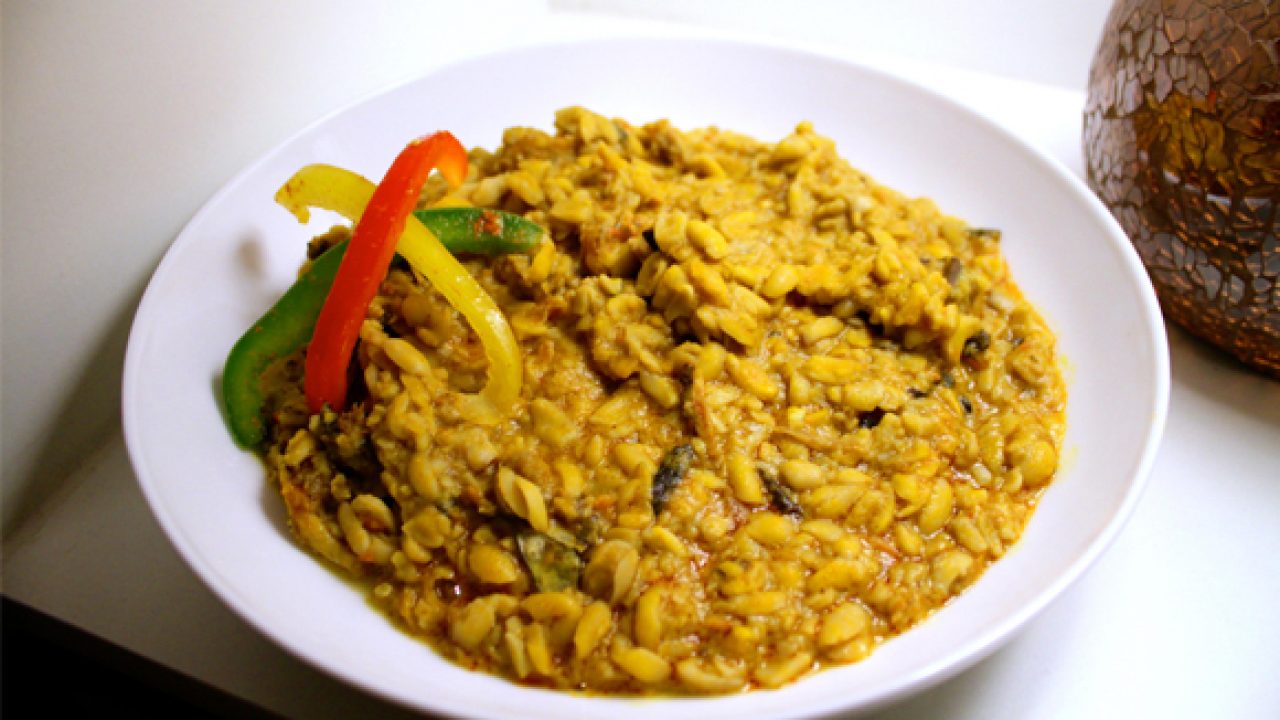
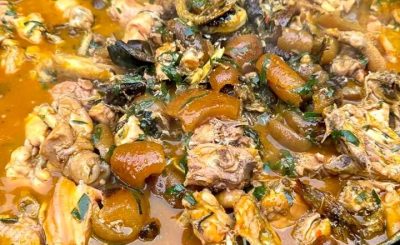
Cooked Ukwa Meal – Ukwa is boiled with water and ingredients to make a hearty dish. In some styles, the cooking water is separated, seasoned, and served as a soup alongside the ukwa.
Fried Ukwa Seeds – Ukwa can also be fried until golden and crunchy. It is often eaten with palm kernel nuts, creating a traditional snack that is still loved today.
Whether cooked or fried, ukwa is not just food—it is a taste of heritage and culture in Igbo Land.
Preserving the Knowledge of Ukwa
To keep this tradition alive for future generations, let’s test our memories:
Have you ever carried a fallen ukwa fruit from the base of the tree? Type “Carried.”
Have you ever taken part in processing ukwa seeds—from washing the decayed fruit to pressing the seeds with a bottle? Type “Processed.” In the Igbo dialect, what do we call:
Separating ukwa seeds from the rotting fruit?
Pressing seeds with a bottle (Kalama)?
Sorting the whitish ukwa seeds from their shaft and debris?
In the Igbo dialect, what do we call chewing fried ukwa seeds together with palm kernel nuts?
Conclusion
Ukwa is more than just a meal—it is part of Igbo heritage and Obosi identity. From the towering ukwa tree to the careful processing of its seeds, every step tells a story of patience, tradition, and community.
By sharing these memories, songs, and practices, we help enlighten the younger generation about a delicacy that is not just food, but also a symbol of culture and togetherness in Obosi Kingdom.
Frequently Asked Questions About Ukwa (African Breadfruit)
1. Is Ukwa the same as breadfruit?
Yes, ukwa is the African breadfruit, a traditional food crop popular in Nigeria, especially among the Igbo people. Unlike the common breadfruit found in other regions, African breadfruit (Treculia africana) is unique to West Africa and is loved for its edible seeds, known locally as ukwa seeds.
2. What does the ukwa fruit look like?
The ukwa fruit is huge and round, with some weighing up to 80–100 kilograms. Its outer skin is tough and rough, and inside it contains tens of thousands of seeds. Because of its size and weight, the ukwa fruit can be dangerous when it falls from the tree without warning.
3. How do you process ukwa seeds?
Processing ukwa seeds involves several steps:
Allow the fleshy fruit to rot in a damp place.
Washing and separating the dark brown seeds from the rotten pulp.
Parboil the seeds for a few minutes.
Rolling with a bottle (Kalama) to remove the shafts, leaving clean, whitish ukwa seeds ready for cooking or frying.
4. How do you cook ukwa in Nigeria?
Ukwa is cooked like a porridge or soup. The whitish seeds are boiled with water, oil, pepper, crayfish, and seasonings until tender. Some people serve it with its soup-like water, while others cook it dry. It can also be paired with vegetables or fish to make a filling and healthy Nigerian meal.
5. Can ukwa seeds be fried?
Yes! Fried ukwa seeds are a popular snack in Nigeria. Once cleaned, the seeds are fried until crispy and enjoyed plain or with palm kernel nuts for extra flavor. This combination is a traditional Igbo delicacy.
6. Is ukwa healthy?
Absolutely. Ukwa is rich in protein, carbohydrates, vitamins, and minerals. It is considered a healthy food that provides energy, supports growth, and helps maintain good nutrition. Many people call it a “superfood” because of its balance of nutrients.
7. Why is ukwa important in Igbo Land?
In Igbo culture, ukwa is more than just food—it carries tradition and identity. The processing methods, customs about who owns fallen fruit, and the songs and warnings around ukwa trees all form part of ancestral wisdom that connects people to their heritage.
God bless you as you share your answers and memories.
By kingkentus


You must be logged in to post a comment.