
Views: 6
Diet Plans in Nigeria: A Step-by-Step Guide to Healthy Eating Using Local Foods
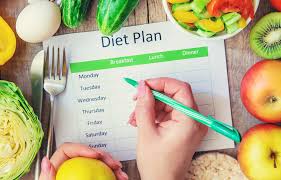
Eating healthy in Nigeria does not have to be complicated, expensive, or foreign. Many Nigerians believe that diet plans are only for gym lovers, sick people, or those trying to lose weight fast. In reality, a proper diet plan is simply a structured way of eating the right foods, in the right portions, at the right time, using what is locally available.
This article provides a step-by-step diet plan guide for Nigerians, using common Nigerian foods, realistic meal ideas, and practical advice you can follow daily. Whether your goal is weight loss, weight gain, diabetes management, or general healthy living, this guide will help you build a sustainable Nigerian diet plan.
What Is a Diet Plan?
A diet plan is a structured eating pattern designed to help you achieve a specific health goal. It focuses on:
- What you eat
- How much you eat
- When you eat
- How balanced your meals are
A good diet plan is not starvation. It is nutrition with intention.
In Nigeria, a proper diet plan must consider:
- Local food availability
- Cultural eating habits
- Budget constraints
- Busy lifestyles
Why Diet Plans Are Important in Nigeria
Nigeria is facing a rise in lifestyle-related diseases, such as:
- Obesity
- Diabetes
- High blood pressure
- Heart disease
Many of these conditions are linked to:
- Excessive consumption of carbohydrates
- High oil intake
- Sugary drinks
- Poor meal timing
A structured Nigerian diet plan helps to:
- Maintain healthy body weight
- Improve energy levels
- Support digestion
- Boost immunity
- Reduce medical expenses
Step 1: Understand Your Diet Goal
Before choosing any diet plan, you must be clear about your goal.
Common Diet Goals in Nigeria
- Weight loss
- Weight gain
- Flat tummy
- Muscle building
- Diabetes control
- Blood pressure management
- General healthy living
Your goal determines:
- Portion sizes
- Food combinations
- Meal frequency
Step 2: Know the Major Food Groups (Nigerian Context)
A balanced Nigerian diet must include all food groups.
1. Carbohydrates (Energy Foods)
Examples:
- Rice (local, brown, parboiled)
- Garri
- Yam
- Fufu
- Semo
- Wheat
- Sweet potatoes
- Plantain
Tip: Reduce portion size, not total removal.
2. Proteins (Body-Building Foods)
Examples:
- Beans
- Eggs
- Fish (Titus, catfish, dry fish)
- Chicken
- Turkey
- Beef
- Goat meat
- Snails
- Soybeans
Protein plays a crucial role in weight control and muscle repair.
3. Fats and Oils (Use in Moderation)
Examples:
- Palm oil
- Groundnut oil
- Olive oil
- Avocado pear
- Coconut
Excessive oil consumption is a common mistake in the Nigerian diet.
4. Vitamins and Minerals
Examples:
- Ugwu
- Waterleaf
- Okra
- Ewedu
- Spinach
- Carrots
- Tomatoes
- Fruits (orange, pawpaw, banana, pineapple)
Step 3: Meal Timing – When to Eat
Meal timing is just as important as food choice.
Recommended Daily Meal Pattern
- Breakfast: 7am – 9am
- Lunch: 12pm – 2pm
- Dinner: 6pm – 8pm
Avoid eating heavy meals late at night, especially swallow.
Step 4: Nigerian Diet Plan for Weight Loss (Step-by-Step)
Breakfast Options
- Oatmeal with fruits
- Boiled eggs with vegetables
- Moi-moi with cucumber
- Pap with beans (small portion)
Lunch Options
- Ofada rice with vegetable sauce (small portion)
- Beans and plantain (grilled, not fried)
- Boiled yams with garden egg sauce
Dinner Options
- Vegetable soup with fish (minimal swallow)
- Grilled fish with salad
- Egg sauce with vegetables
Snacks
- Fruits
- Groundnuts (small quantity)
- Coconut
Drink plenty of water.
Step 5: Nigerian Diet Plan for Weight Gain
Weight gain should be healthy, not fat-based.
Breakfast
- Yam and egg sauce
- Bread and eggs
- Pap with akara
Lunch
- Rice and beans with meat
- Pounded yam with egusi
- Jollof rice with chicken
Dinner
- Eba with okra or ogbono
- Plantain porridge with fish
Snacks
- Milk
- Smoothies
- Peanut butter sandwiches
Step 6: Diet Plan for Diabetics in Nigeria
Key rules:
- Control carbohydrate intake
- Eat more fiber
- Avoid sugary drinks
Recommended Foods
- Brown rice
- Beans
- Vegetables
- Fish
- Boiled plantain
Foods to Avoid
- White bread
- Sugary drinks
- Excess garri
- Pastries
Always consult a doctor or nutritionist.
Step 7: Portion Control – The Nigerian Challenge
One of the biggest diet problems in Nigeria is portion size, especially with swallow.
Simple Portion Guide
- Carbohydrates: Size of your fist
- Protein: The size of your palm
- Vegetables: Half of your plate
Step 8: Drinking Water and Beverages
Drink at least:
- 2–3 liters of water daily
Avoid:
- Soft drinks
- Excess fruit juices
- Alcohol
Choose:
- Water
- Zobo (no sugar)
- Green tea
Step 9: Budget-Friendly Diet Tips in Nigeria
Healthy eating does not require imported foods.
Affordable options:
- Local vegetables
- Beans
- Eggs
- Dry fish
- Seasonal fruits
Cook at home more often.
Step 10: Common Diet Mistakes Nigerians Make
- Skipping breakfast
- Eating late at night
- Too much swallow
- Excess oil
- Copying foreign diet plans
- Crash dieting
Consistency beats perfection.
Sample 7-Day Nigerian Diet Plan (Summary)
Day 1–7 Rotation
- Breakfast: Eggs, oats, pap, fruits
- Lunch: Rice, beans, yams, plantain
- Dinner: Vegetable soups, fish, light swallow
Repeat with variations.
Final Thoughts
A good diet plan in Nigeria is not about suffering or abandoning your culture. It is about eating smart, reducing excess, and choosing balance. Nigerian foods are naturally rich and nutritious when eaten correctly.
Start small. Be consistent. Let food become your medicine.
By kingkentus




You must be logged in to post a comment.