
Views: 17
Agric-Tech for Local Farmers: Solving Crop Disease, Water Scarcity, and Market Access Challenges in Northern Nigeria

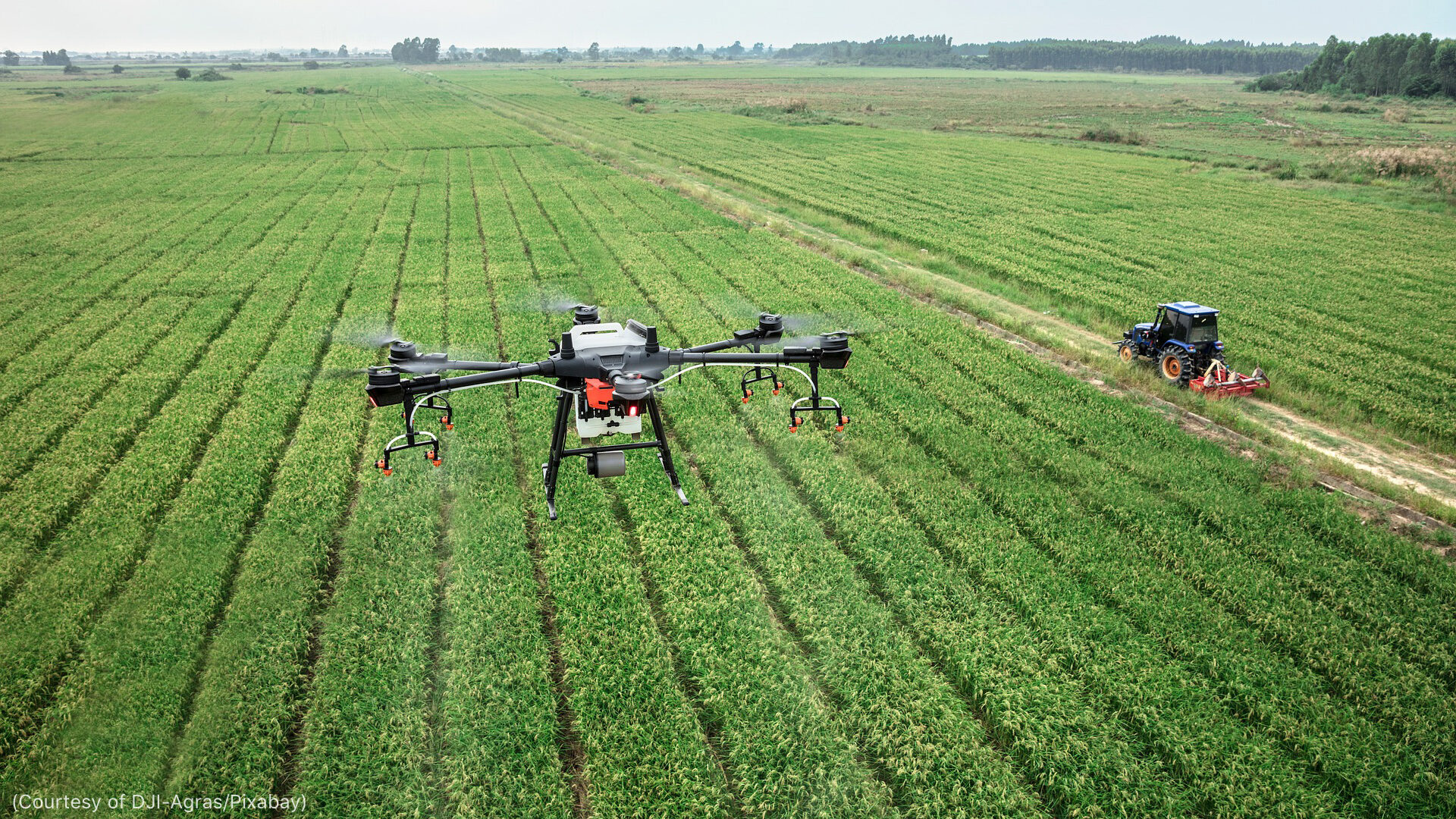
Agric-Tech refers to the use of modern technology such as mobile apps, smart irrigation, and digital marketplaces to improve farm productivity, sustainability, and farmer income.
Agriculture remains the backbone of Northern Nigeria, employing millions of smallholder farmers who cultivate crops such as maize, millet, sorghum, rice, tomatoes, onions, peppers, and legumes. Despite the region’s rich farming heritage, local farmers continue to face serious challenges—recurring crop diseases, water scarcity caused by climate change, and poor access to profitable markets.
In recent years, Agricultural Technology (Agric-Tech) has emerged as a powerful solution, helping farmers improve productivity, reduce losses, and earn better income using simple digital tools, smart irrigation systems, and data-driven farming methods.
This article explores how Agric-Tech can transform farming in Northern Nigeria’s semi-arid region, offering practical, affordable, and scalable solutions tailored to smallholder farmers.
What Is Agric-Tech and Why Does It Matter to Local Farmers
Agric-Tech refers to the use of modern technology—such as mobile apps, sensors, drones, improved seeds, and digital marketplaces—to improve agricultural production, sustainability, and profitability.
For local farmers in Northern Nigeria, Agricultural technology is not about expensive machines alone. It includes:
Mobile phones for weather alerts and market prices
Disease-resistant seeds developed through research
Low-cost drip irrigation systems
Digital platforms connecting farmers directly to buyers
By adopting the right Agric-Tech solutions, farmers can farm smarter, not harder.
Solving Crop Disease Problems with Agric-Tech
Common Crop Diseases in Northern Nigeria
Farmers in the region frequently battle diseases such as:
Maize streak virus
Tomato leaf curl disease
Rice blast
Fungal infections caused by excessive heat and humidity
Pest infestations (armyworms, aphids, whiteflies)
These diseases often spread quickly, destroying entire farms before farmers can react.
1. Mobile-Based Crop Disease Detection
Agric-Tech startups and agricultural research institutes now provide mobile apps and WhatsApp-based advisory services that help farmers identify crop diseases early.
How it works:
Farmers take photos of affected crops using smartphones
AI or extension officers analyze symptoms
Farmers receive instant recommendations on treatment
Benefits:
Early detection prevents total crop loss
Reduces the misuse of pesticides
Saves money and time
Even farmers without smartphones can benefit through community extension agents using shared devices.
2. Improved and Disease-Resistant Seeds
Agric-Tech also includes scientifically improved seed varieties developed for Northern Nigeria’s climate.
Examples include:
Drought-tolerant maize varieties
Disease-resistant tomato and pepper seeds
Early-maturing rice and sorghum
These seeds:
Reduce disease outbreaks
Require fewer chemical treatments
Produce higher yields under harsh conditions
By combining improved seeds with digital farming advice, farmers gain a strong defense against crop diseases.
3. Smart Pest Monitoring and Control
Simple sensor-based pest traps and SMS alert systems now warn farmers when pest populations are rising in their area.
This allows farmers to:
Apply pesticides only when necessary
Use safer biological pest control methods
Protect beneficial insects and soil health
Water Conservation Through Smart Agric-Tech Solutions
The Water Crisis in Northern Nigeria
Water scarcity remains one of the biggest challenges facing farmers in the region. Erratic rainfall, desertification, and over-reliance on rain-fed farming make crops vulnerable to drought.
Agricultural technology provides innovative solutions that help farmers use less water while producing more food.
1. Drip Irrigation and Solar-Powered Systems
Traditional flood irrigation wastes large amounts of water. Agric-Tech introduces low-cost drip irrigation systems that deliver water directly to plant roots.
Advantages:
Uses up to 60% less water
Improves crop yield
Reduces weed growth
When combined with solar-powered water pumps, farmers can irrigate their farms without expensive fuel or unreliable electricity.
2. Smart Soil Moisture Sensors
Affordable soil moisture sensors help farmers understand exactly when crops need water.
Instead of guessing:
Sensors measure soil moisture levels
Data is sent to a mobile phone
Farmers irrigate only when necessary
This prevents over-watering, saves water, and improves crop health.
3. Digital Weather Forecasting for Farmers
Agric-Tech platforms now provide localized weather forecasts via SMS and voice messages in local languages (Hausa and others).
These forecasts help farmers:
Plan planting dates
Prepare for drought or heavy rainfall
Reduce climate-related losses
Timely weather information is a powerful tool for water conservation and farm planning.
Improving Market Access with Agric-Tech
The Market Access Problem
Many farmers in Northern Nigeria produce good crops but struggle to make profits due to:
Middlemen exploitation
Lack of price information
Poor storage and logistics
Post-harvest losses
Agric-Tech bridges this gap by connecting farmers directly to markets.
1. Digital Marketplaces for Farmers
Mobile-based agricultural marketplaces allow farmers to:
List their produce online
See real-time market prices
Connect with buyers, processors, and exporters
These platforms reduce dependence on middlemen and ensure farmers receive fair prices for their produce.
2. Aggregation and Cooperative Platforms
Agric-Tech also supports digital farmer cooperatives, where smallholder farmers pool produce together to meet large buyer demand.
Benefits include:
Better bargaining power
Reduced transportation costs
Access to bulk buyers such as food companies and exporters
This is especially important for crops like rice, maize, onions, and tomatoes.
3. Smart Storage and Cold Chain Technology
Post-harvest losses are a major issue in Northern Nigeria, particularly for perishable crops.
Agricultural technology solutions include:
Solar-powered cold storage facilities
Digital inventory management
Pay-as-you-store models are affordable for small farmers
These innovations help farmers sell produce when prices are favorable instead of rushing to sell at a loss.
Financial Inclusion Through Agric-Tech
Agric-Tech platforms now integrate:
Digital wallets
Micro-loans
Crop insurance
Pay-as-you-go farming inputs
Using mobile phones, farmers can:
Access small loans for seeds and fertilizer
Insure crops against drought and disease
Build digital financial records
This financial inclusion empowers farmers to invest confidently in their farms.
How Local Farmers Can Start Using Agric-Tech Today
Adopting Agric-Tech does not require large capital. Farmers can start small by:
Using mobile phones for weather and price updates
Joining digital farmer groups or cooperatives
Switching to improved seeds
Installing simple drip irrigation kits
Seeking extension services using digital platforms
Community training and government support can further accelerate adoption.
The Future of Agric-Tech in Northern Nigeria
As climate change intensifies and the population grows, Agric-Tech will become even more critical for food security.
With the right policies, investments, and farmer education:
Crop disease losses will reduce
Water will be conserved efficiently
Farmers will earn a better income
Youth will return to agriculture
Agric-Tech is not just technology—it is a pathway to sustainable farming and rural prosperity.
Conclusion
Agric-Tech offers practical, affordable, and scalable solutions to the major challenges facing local farmers in Northern Nigeria. By addressing crop disease, water conservation, and market access, technology empowers farmers to increase yields, protect natural resources, and improve livelihoods.
For local farmers, embracing Agric-Tech today means securing food production and economic stability for tomorrow.
By Kingkentus







You must be logged in to post a comment.